Tips for Creating Visually Appealing A4 Booklets
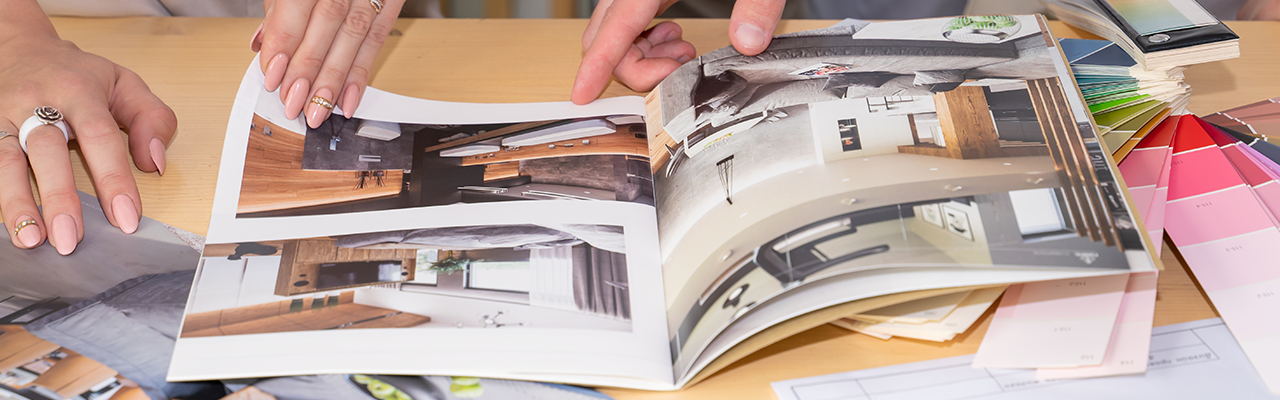
Looking to create an eye-catching A4 booklet? Whether you’re promoting a product, presenting a portfolio, or producing an internal publication, the right approach can make all the difference. At GD Print, we specialise in A4 booklet printing across the UK, helping businesses and individuals turn their ideas into impactful, high-quality booklets.
Here are our Top Tips for Creating Visually Appealing A4 Booklets, backed by 40+ years of experience and trusted booklet printing services.
Tip 1: Define Your Booklet’s Purpose
Every great booklet starts with clarity. Are you aiming to inform, persuade, promote or entertain? From custom sketch booklets to business product catalogues, defining the goal will help guide your content, design, and structure. This is especially important when using a booklet maker or briefing a designer.
Tip 2: Know Your Audience
A clear understanding of your target audience ensures the tone, imagery and format resonate. For example, a maths formula booklet for students requires a clean, structured layout — while a clipart booklet for a creative event may benefit from colourful visuals and playful typography.
Tip 3: Focus on the Cover Design
Your cover is your first impression. Use striking visuals, engaging headlines, and your brand’s colour palette to make it stand out. A good cover creates instant appeal and sets the tone for the entire booklet — especially crucial for best booklet designs or new booklet launches.
Tip 4: Create a Clear Layout and Use Consistent Typography
A cluttered layout or inconsistent fonts can hurt readability. Keep your booklet organised with clear section headings, consistent fonts, and visual hierarchy. If you’re creating an AI booklet or using a booklet illustrator, ensure the output is easy to follow.
Tip 5: Use High-Quality Images and Graphics
Avoid pixelated images at all costs. Whether you’re creating pictures of a booklet, showcasing products, or designing an aesthetic booklet, make sure every visual is high resolution and print-ready.
Tip 6: Craft Compelling, Easy-to-Read Content
Break your text into short paragraphs, add subheadings, and include effective calls-to-action. A good booklet printing service should help you refine the copy and ensure it’s engaging across all pages.
Tip 7: Choose the Right Paper and Finish
Paper weight, finish, and texture impact the final result. For premium booklets, consider a silk or gloss finish; for artistic or sketch booklet types, opt for uncoated or textured stock. Need help deciding? GD Print is here to advise on the best paper for your needs.
Tip 8: Select the Best Binding Option
Choose from saddle-stitching, perfect binding, or wire binding depending on your page count and usage. For example, print booklets with more than 48 pages may benefit from perfect binding, while thinner A4 booklets can use saddle-stitching for a sleek look.
Tip 9: Avoid Common Pitfalls
Many booklet printing issues arise from simple oversights. Here’s what to avoid:
• Submitting incorrect file formats (always export as PDF with embedded fonts)
• Skipping the proofreading stage
• Using low-res images
• Choosing poor contrast in colour palette
• Rushing the printing process
A quality-focused print booklet partner like GD Print will guide you through these steps to ensure your job prints perfectly.
Tip 10: Work With a Trusted UK Booklet Printing Company
If you’re searching for booklets near me or need a reliable booklet UK supplier, GD Print is ready to help. We offer tailored booklet printing solutions to businesses, schools, artists, and creatives — with fast turnaround and professional results.
What GD Print Recommends
At GD Print, we’ve been printing A4 booklets for over 40 years — and when it comes to balancing quality, practicality, and visual appeal, we know what works best.
Best for Shorter Booklets: 130gsm Silk Paper (4–17 Pages)
Our most popular option for A4 booklet printing is 130gsm silk paper, especially for booklets ranging from 4 to 17 pages. This paper stock is favoured by many of our customers because of its smooth texture and premium feel, without the glare of gloss finishes.
Silk paper offers a vibrant finish that elevates images and text, making it ideal for brochures, product catalogues, and event programmes. For smaller page counts, 130gsm silk provides the perfect balance — substantial enough to feel high quality, but light enough to remain easy to handle and cost-effective to post or distribute.
For Larger Booklets: Go with Cartridge Paper
When booklets start exceeding 20 pages, we often recommend switching to cartridge paper. Heavier stocks like silk can become bulky and impractical for thicker documents. Cartridge paper, with its slightly textured, natural finish, helps maintain flexibility and keeps your booklet from becoming too thick or difficult to bind.
If you’re designing school prospectuses, instruction manuals, or content-heavy sketch booklets, cartridge paper ensures a more manageable weight and feel while still supporting excellent print clarity and durability.
Need Advice on the Right Format?
Whether you’re printing a slim, stylish A4 guide or a longer publication with detailed content, our team at GD Print is here to help you select the best materials for your project.
Ready to Print Your A4 Booklet?
Whether you’re designing a booklet for marketing, a creative sketch booklet, or something completely bespoke, GD Print is here to bring your vision to life. Get in touch for expert advice, samples, or a no-obligation quote today. Visit our contact page here or call us on 01425 621590 to get started.

