What Makes a Business Card Effective in 2025? Trends, Tips & Mistakes to Avoid
What Makes a Business Card Effective in 2025? Trends, Tips & Mistakes to Avoid
Despite the rise of digital networking tools, business cards remain an essential part of first impressions—especially in 2025, when customisation, sustainability, and strategic design matter more than ever. In fact, according to Tapni, 27 million business cards are printed daily in the USA alone. Translated to an annual level, 10 billion business cards are printed in the USA. [Tapni]
At GD Print, we’ve been printing high-quality business cards for over 40 years, helping professionals across Bournemouth, Southampton, and the UK create cards that don’t just look great—but get remembered. In this guide, we’ll walk you through what makes a business card effective in 2025, plus what mistakes to avoid.
Why Business Cards Still Matter in 2025
In a world where digital connections are instant and often fleeting, physical business cards provide a tangible reminder of who you are. Business cards offer:
• Quick, professional ways to exchange details
• Reinforce your brand identity
• Make a lasting impression at events, meetings, and networking functions
• Give your contact a reason to follow up
However, according to wave, nearly 39% of people won’t do business with someone if they have a “cheap-looking” business card, so ensuring your design is correct is vital for your business. [wave]
Top 2025 Business Card Trends to Know
1. Minimalist Design
Simple layouts with strong typography and lots of white space remain effective. Less is more when your goal is memorability, but be cautious, simplicity does not mean emptiness, as believed by wave whose statistics state that business cards with photos are twice as likely to be kept than those without. [wave]
Balancing images and texts with a strong rememberability factor such as a catchy call to action or vibrant image can boost your impact, when combined with the less is more approach. Too much of this and the impact becomes redundant, too little and it's empty.
2. Premium Finishes
Raised ink, spot UV, soft-touch laminate, or metallic foiling add tactile value. Wave states that 70% of people are more likely to remember a unique business card design, particularly if it includes a non-traditional material or feature. [wave] These finishes give your card an edge and help it stand out in a stack, but they aren't the only consideration for quality business cards. In fact, according to Wave, business cards printed on premium stock have a 25% higher retention rate due to recipients associating quality with value, so consider a thicker paper stock alongside special finishes. [wave]
3. Sustainable Materials
More clients now request recycled cardstock or even seed paper. Eco-conscious design isn’t just ethical—it’s also on-trend and impressive. Statistics from Wave state that 63% of consumers prefer businesses with sustainable practices, making it great for any company looking to provide a difference. [wave]
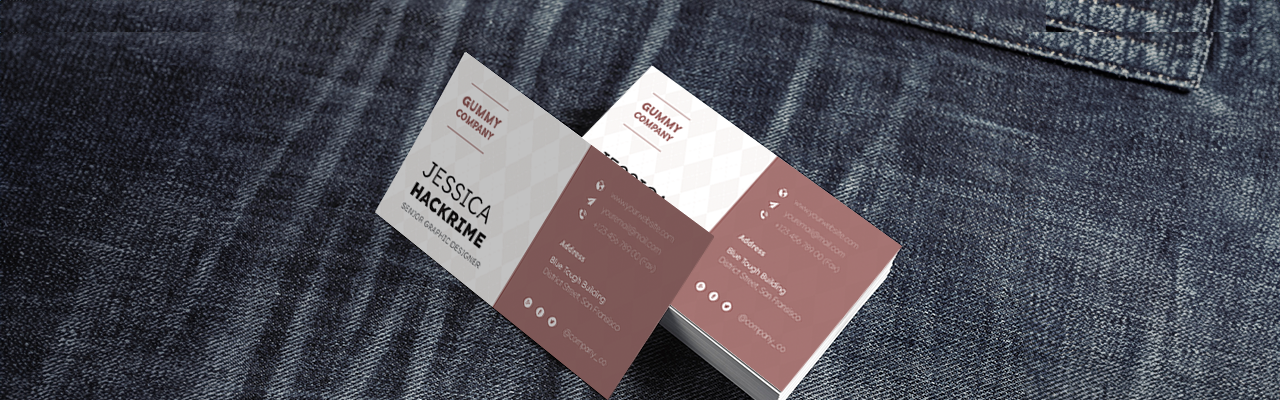
4. Square & Vertical Formats
Non-standard sizes like square or vertical cards can grab attention. But keep usability in mind—will it fit in a wallet?
5. Functional Cards
Some businesses now use QR codes, appointment fields, or loyalty stamp areas—combining function and design in a single card. Waves statistics state that business cards with QR codes improve user engagement by 20%, so consider it if your website is important for your business. [wave]
What to Include on Your Business Card in 2025
To keep your card both sleek and useful, we recommend including:
• Your name and job title
• Business name and logo
• One primary contact method (phone or email)
• Website or QR code (that works!)
• Social media handle (if relevant)
Avoid clutter—don’t try to cram everything onto one side. A two-sided design can keep the front clean and impactful, with extras like QR codes or taglines on the back.
Common Mistakes to Avoid
Even the best designs can fall short if you:
• Use poor-quality materials – Flimsy cards feel cheap.
• Overcrowd the layout – Give every element room to breathe.
• Forget proofing – Typos on your card damage your credibility.
• Ignore your brand identity – Colours, fonts, and design should reflect your business.
• Skip consistency – Your card should match your website and other print materials.
GD Print’s Expert Recommendation
As one of the South’s trusted business card printers, we recommend 400gsm silk cards with a soft-touch laminate finish for most clients in 2025. This combination strikes the right balance of professional feel, durability, and elegance.
Want something more unique? Ask us about custom shapes, recycled card options, and premium gold foiling. We’ve printed business cards for hundreds of clients across industries—law, design, retail, hospitality, and education—and we’re always happy to share our insights on what works.
Final Thoughts: Make Your First Impression Count
A modern business card is more than just contact info—it’s a handshake in print. Choose quality, design with intention, and avoid shortcuts. Whether you’re refreshing your brand or starting a new venture, we’re here to help.
Ready to create your business cards? Contact GD Print today or visit our Business Cards page to get started.
Bringing 40+ years of print expertise to businesses across the UK. GD Print is a professional print company based in New Milton, serving customers across Bournemouth, Southampton, and the UK. We specialise in custom vinyl stickers, wall decals, and eco-conscious printing solutions.

